
3 Best Methodologies in SAP IBP Implementation: an In-Depth Look at SAP Activate, ASAP, and Mixed Agile

Ask an author
To ask a question to Natalia Morozova, click the button
Choosing the right project methodology for the SAP Integrated Business Planning (IBP) implementation process is worth the time. It impacts not only the project's budget and ROI but also its timeline and, most importantly, the user experience.
A successful SAP IBP implementation requires a delicate balance between efficient project management and delivering a system that users find intuitive and beneficial. Engaging users is essential — they must feel that the new system simplifies their daily tasks rather than complicating them. Without this engagement, even a technically successful project can fail from a business perspective if users are reluctant to adopt the new system.
In this article, we will delve into three prominent methodologies for SAP IBP implementation: SAP Activate, ASAP, and Mixed Agile. We will explore their features, phases, and real-world applications, drawing insights from expert experiences.
Why is it crucial to select the right methodology?

Choosing the right approach is more than a procedural choice. It affects:
- Budget and ROI. The methodology determines how resources are allocated and managed. Efficient approach can lead to cost savings and a higher return on investment by minimizing waste and delays.
- Timeline. Methodologies come with different structures and phases, affecting the duration of the project. A well-suited methodology helps meet deadlines and ensures timely delivery of the project.
- User experience. The approach impacts the ease with which end-users transition to the new system. A focus on user experience ensures smoother adoption and better integration into daily operations.
The last aspect is definitely not the least. Users today are very sensitive and demanding. For them to truly engage with the system is needed to see a good approach to training and understand how the system works in a simple and easy way. Otherwise, the project may end successfully from an IT perspective, with the system implemented, but business users will not be willing to leverage it.
This is especially important for SAP IBP, a planning solution that requires users to be highly engaged and happy with its functionality to fully utilize its features and flexibility.
What are the most popular methodologies for implementing SAP IBP? In general, there are two main methodologies advised by SAP: SAP Activate and Accelerated SAP (ASAP).
SAP Activate Methodology
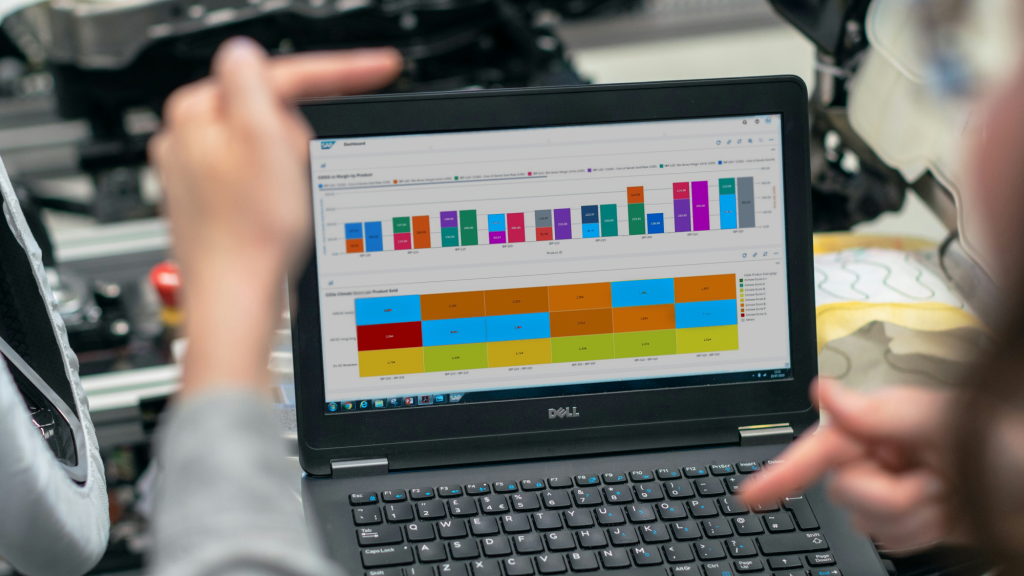
SAP Activate is a dynamic and adaptable methodology tailored for SAP projects. Its design facilitates a structured yet flexible approach to project management.
Key features:
- Roadmap viewer. SAP Activate includes a roadmap viewer that outlines the project steps, providing a clear guide through each phase.
- Opportunity to split the project into phases:
- Discover. Conducted before the contract is signed, this phase involves defining project goals and understanding requirements.
- Prepare. Focuses on enabling the project team and setting up the landscape for the project.
- Explore. This phase involves a FIT-to-standard analysis, determining data requirements, and planning data integration.
- Realize. Agile iterations are employed for configuration and testing, followed by data loading.
- Deploy. Ensures the production landscape is finalized and the system is ready for go-live.
- Run and Adoption. Post-go-live, this phase covers regression testing, system upgrades, and continued adoption.
Our case example
For an automotive producer implementing SAP IBP, SAP Activate provided a structured approach, integrating standard features with advanced functionalities tailored to industry-specific needs.This methodology was effective in managing complex requirements and ensuring that the system met both standard and unique industry demands.
Read also: Planning Challenges for Automotive Suppliers: How to Fulfill Orders in 2 Hours and Avoid Overstocks?
ASAP Methodology

ASAP (Accelerated SAP) is a structured methodology designed for efficient SAP project execution. It emphasizes a clear, sequential approach to project management.
Key phases in this methodology:
- Project preparation. Initial planning and setup, including project scope and team alignment.
- Business blueprint. Detailed documentation of business processes and requirements to guide system configuration.
- Realization. System configuration and solution development based on the blueprint.
- Final preparation. Final adjustments and preparations for the go-live phase.
- Go-live and support: Transitioning to the live system and providing ongoing support to address any issues.
Our case example
APK Holding’s complex SAP IBP implementation for Demand required the ASAP methodology to manage non-standard requirements and advanced configurations. The methodology’s structured approach was instrumental in handling the intricate needs of the project, ensuring effective integration and functionality.
Mixed Agile Methodology
The Mixed Agile methodology blends traditional project management with agile principles, offering flexibility and iterative development.
Key features:
- Project preparation. Initial setup and strategic planning.
- Flexible sprints. The methodology uses 4-5 sprints, each with a backlog of tasks. This approach allows for iterative development and regular adjustments based on feedback.
Our case example
Ferroni’s project, which involved a simultaneous implementation of SAP S/4 HANA using a sprint-based approach, showcased the Mixed Agile methodology’s effectiveness.
This approach facilitated managing both standard integrations and best practice approaches while allowing for continuous feedback and adjustments.
Conclusion
Choosing the right methodology for your SAP IBP implementation can significantly affect the project’s success.
-
SAP Activate offers a flexible, structured approach that is adaptable to various project needs.
-
ASAP provides a more traditional, step-by-step framework ideal for managing complex requirements.
-
The Mixed Agile methodology combines the benefits of agile and traditional methods, making it suitable for projects requiring flexibility and iterative development.
Understanding these methodologies and their features helps in selecting the most appropriate approach, ensuring that the project aligns with goals, budget, timeline, and good user experience.
Looking for consultants for your project?
Set up a meeting with our IBP expert, and get advice tailored to your specific project needs.
Read more
TIGROUP at SAP Partner Summit 2026: Business AI, Autonomous Enterprises and the Future of SAP
TIGROUP attended SAP Partner Summit for EMEA and MEE 2026 in Amsterdam on October 19–21, joining the SAP partner ecosystem to explore Business AI, enterprise technology roadmaps and new opportunities for digital transformation. The event brought together SAP leaders and partners to discuss how technology, collaboration and innovation are shaping the next generation of enterprise operations.


Simply About Simplification: 7 Hints not to Ignore When Moving to SAP S/4HANA
Your colleagues and associates from TIGROUP have prepared some simple tips for you. Don't forget to do this, take the right steps and always keep in mind these simple practical things that will help you migrate to new SAP cloud solutions with minimal costs.


How SAP’s Cloud Changes the Project During Transition
Transition from traditional SAP ERP system to SAP S/4HANA is no longer merely a technical upgrade. It represents a strategic shift toward a cloud-based operating model and fundamentally different implementation approaches. And in this strategic transition, your colleagues and friends from TIGROUP are ready to help you to make it as comfortable and cost-effective as possible.