
How Supply Chain Leaders Drive Profitability with Resilience and Sustainability

Ask an author
To ask a question to Ksenia Razumovskaya, click the button
Supply chain organizations from midsize companies are adjusting their approach to business transformation by rethinking traditional organizational priorities. Technology innovation, business model innovation, and sustainability surfaced as crucial drivers for growing revenue and efficiency, operating more sustainably, and adapting to new risks.
Sustainability has become an important consideration. Across the board, supply chain organizations are incorporating sustainability directly into their business strategies for increasing efficiency and driving revenue growth. This represents a significant shift in priorities.
Supply chain leaders prioritize sustainability measures that can help them run more efficiently while reducing their company’s environmental and social impact. They often rely on strategies such as locating plants and using suppliers closer to the customer, reducing the distance goods travel around the world, and onboarding vendors that demonstrate ethical labor practices and regulatory compliance.
In addition, supply chain leaders are connecting sustainability to their overall brand recognition and reputation in response to customers’ growing preference for purchasing affordable products. And these efforts are helping to limit any impact on the environment and improve people’s lives.
Sustainability is now an essential element of the bedrock activities of growing revenue, increasing efficiency, and improving customer satisfaction.
TAKING ON EFFICIENCY DRIVERS
Supply chain leaders recognize that many of these high-priority areas are interrelated and can be tackled together if addressed strategically. For example, you can reduce costs and reduce emissions by improving your transportation planning processes to optimize loads and reduce miles driven. Incorporating the use of waste and recycled products and packaging material back into the design and production of your products can help the business embrace the circular economy to improve brand image and customer perception.
Supply chain leaders expect to be impacted by the ripple effects of growing economic and societal concerns, including global resource shortages, economic stagnation, and crises in employment and livelihood.
VIEWING RISK IN A NEW LIGHT
It’s no longer enough for businesses to think about traditional risk areas, such as thwarting existing competitors and protecting against new market entrants. These factors have been pushed aside by threats rooted in current emergencies, such as supply chain fragility, resource scarcity, and cyberattacks, that can significantly erode a company’s brand reputation.
These emerging risks have increased the spotlight on supply chains in recent years. By adopting a proactive strategy to avoid supply chain delays and surging demand, businesses can help build their brand reputation and value.
In addition, product designs that rely less on scarce resources and more on recycled materials can improve sustainability and reduce costs while lowering the risk of a supply shortage.
For longer-term global risks, surveyed supply chain organizations still rank the fear of global shortages in natural resources at the top of their list. However, they also consider economic stagnation, crises in employment and livelihood, and climate change as matters that are almost equally urgen.
In a turbulent period of increased global risk, supply chain organizations place high importance on boosting revenue and efficiencies while continuing to mitigate risk and enhance innovation. Underlying these fundamental initiatives is sustainability, a new imperative that will become increasingly essential to core strategies in coming years. To make more progress on transformation, which is seen as critically linked to business performance, supply chain leaders need to further improve processes to increase flexibility and interconnectedness.
* Based on a survey from the SAP Insights research center.
Read more
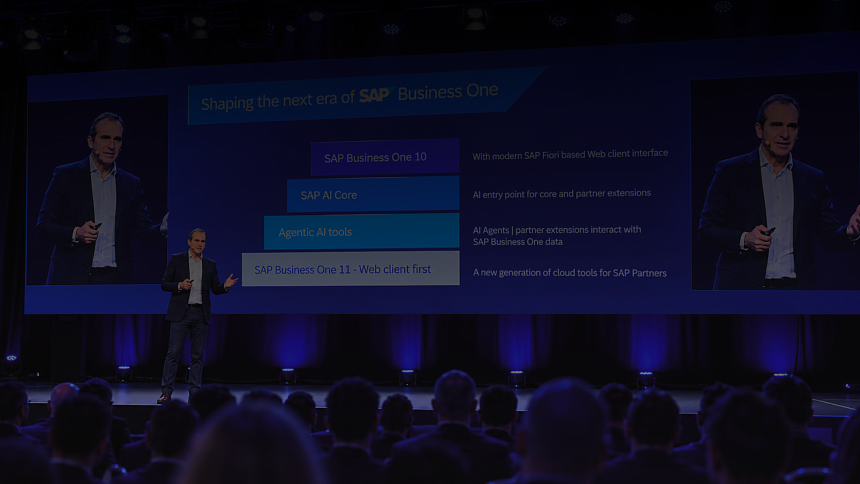
TIGROUP at SAP Partner Summit 2026: Business AI, Autonomous Enterprises and the Future of SAP
TIGROUP attended SAP Partner Summit for EMEA and MEE 2026 in Amsterdam on October 19–21, joining the SAP partner ecosystem to explore Business AI, enterprise technology roadmaps and new opportunities for digital transformation. The event brought together SAP leaders and partners to discuss how technology, collaboration and innovation are shaping the next generation of enterprise operations.


Simply About Simplification: 7 Hints not to Ignore When Moving to SAP S/4HANA
Your colleagues and associates from TIGROUP have prepared some simple tips for you. Don't forget to do this, take the right steps and always keep in mind these simple practical things that will help you migrate to new SAP cloud solutions with minimal costs.


How SAP’s Cloud Changes the Project During Transition
Transition from traditional SAP ERP system to SAP S/4HANA is no longer merely a technical upgrade. It represents a strategic shift toward a cloud-based operating model and fundamentally different implementation approaches. And in this strategic transition, your colleagues and friends from TIGROUP are ready to help you to make it as comfortable and cost-effective as possible.